Introduction
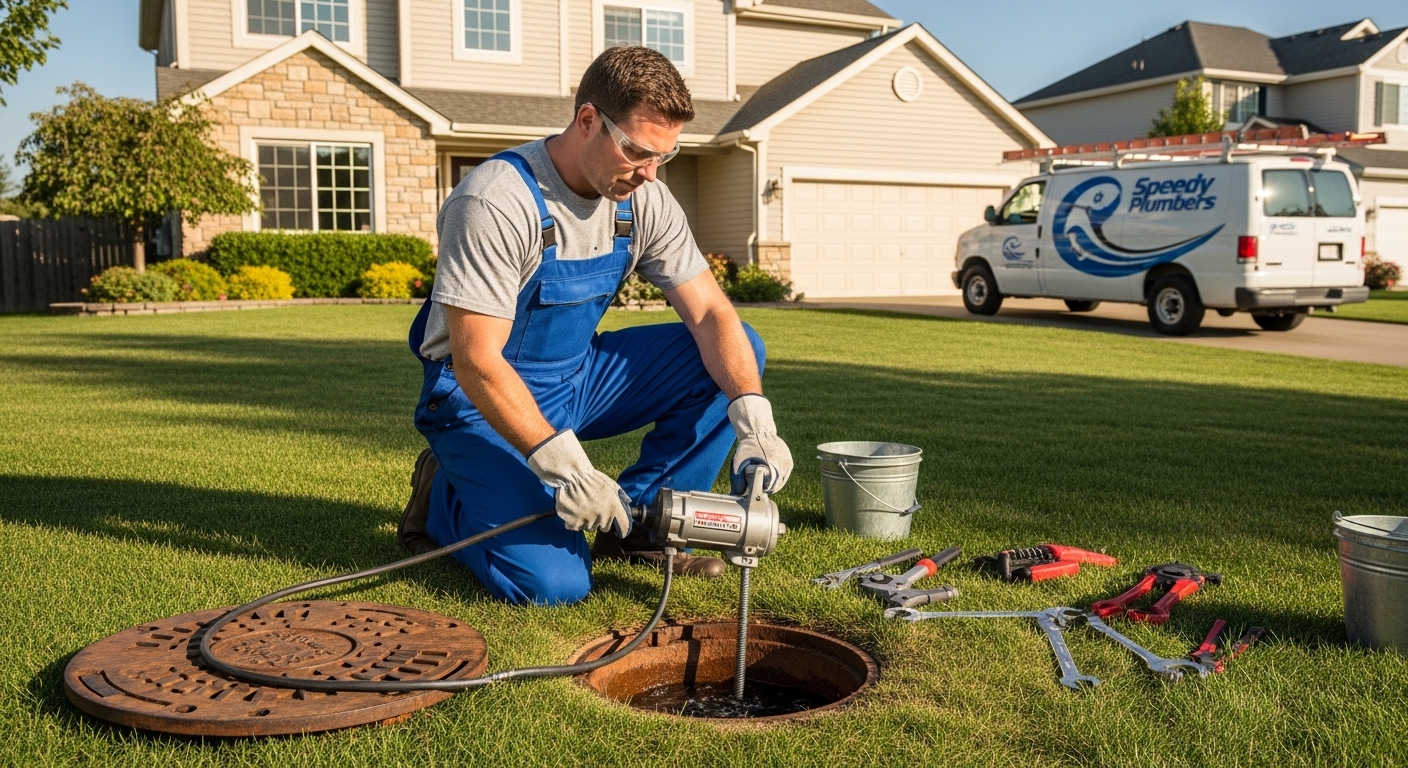
Homes built before 1980 possess a certain character. Solid wood framing, plaster walls, and architectural details rarely seen in modern construction. Yet beneath the surface, these same homes often hide an aging vulnerability: the sewer line. Unlike contemporary plastic piping, older homes commonly rely on materials such as cast iron, clay tile, or Orangeburg pipe (a bitumen-based fiber pipe). While durable for decades, these materials eventually degrade, crack, or become heavily fouled with internal buildup. Recognizing the warning signs early allows homeowners to invest in professional sewer drain cleaning before a minor inconvenience escalates into a basement flood or a yard excavation.
Many homeowners underestimate how slowly but persistently sewer lines deteriorate. A pipe does not fail overnight. Instead, it sends repeated signals. Some are subtle, some impossible to ignore. Learning to read those signals is the first step toward protecting both the home and the property.
Frequent and Recurring Clogs
The most common early warning sign inside an old home is the return of stubborn clogs. A single slow sink might indicate a localized hairball or grease plug, but when multiple fixtures including the kitchen sink, the guest bathroom toilet, and the basement laundry tub begin draining slowly or backing up simultaneously, the issue likely resides in the main sewer line.
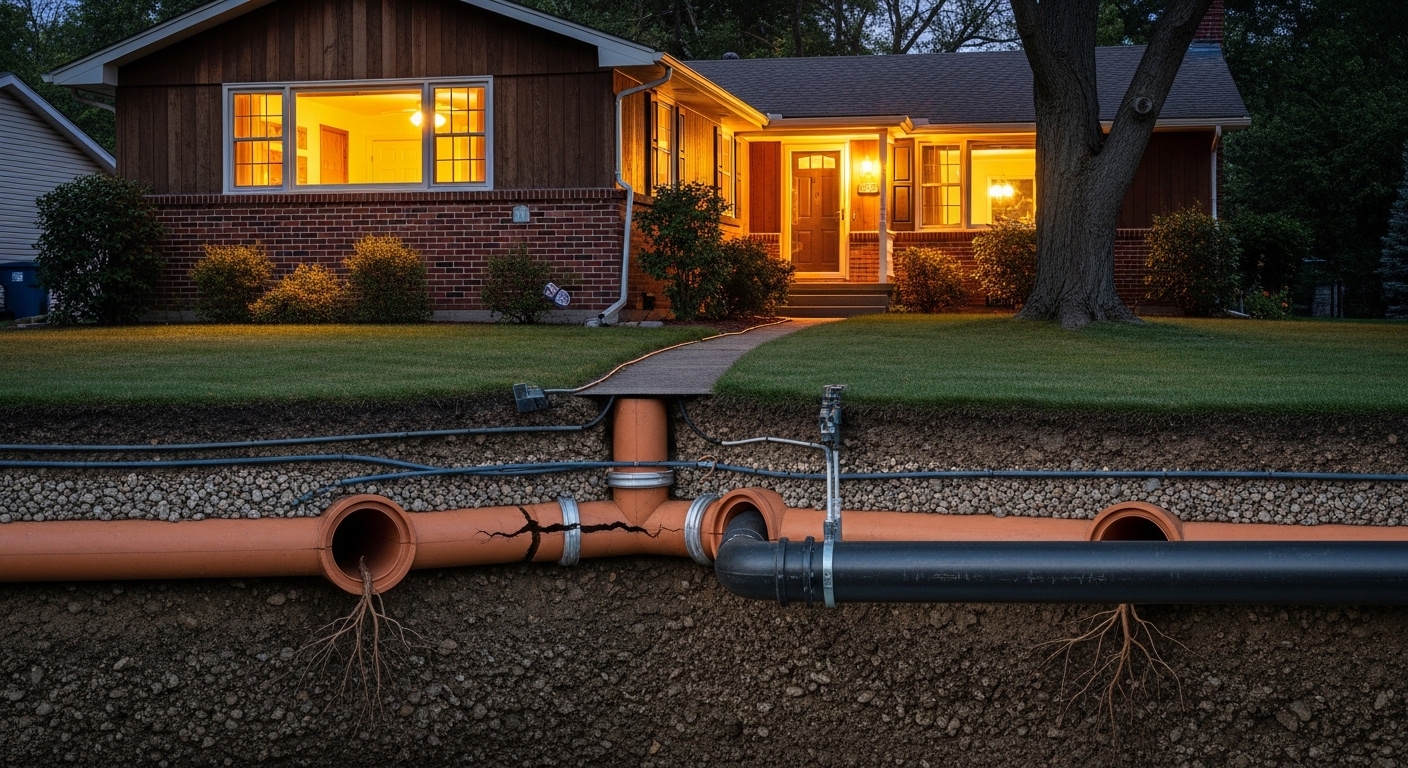
In aging pipes, interior surfaces become rough over time. Cast iron develops rust tubercles. Clay pipe joints allow roots to enter and catch debris. Orangeburg pipe softens and sags, creating dips where solids accumulate. Each of these conditions creates a recurring trap for waste. A homeowner might clear a toilet clog with a plunger, only to have it reappear two weeks later. That repeating pattern is not bad luck; it is a cry for professional sewer drain cleaning.
Modern mechanical augers, also known as drain snakes, can punch a hole through a clog, but they rarely restore the full diameter of an old pipe. The auger leaves behind years of hardened grease, mineral scale, and adhered debris. Within weeks, that remaining buildup catches new waste, and the slow drain returns. Professional cleaning methods, particularly hydro jet drain cleaning, address the entire pipe wall rather than just the immediate blockage.
Gurgling Sounds from Toilets and Sinks
Water seeks its own level, and air seeks an escape. When a sewer line becomes partially obstructed, air cannot move freely past the blockage. Instead, it bubbles backward through the nearest available fixture. That phenomenon produces a distinctive gurgling sound, often heard from a toilet bowl after flushing or from a sink drain while the washing machine discharges.
For old homes, gurgling carries special significance. Clay pipes frequently develop displaced joints, creating a shelf where debris catches while still allowing some water to pass. Cast iron pipes often suffer from bellied sections, low spots where standing water never fully drains. Both conditions trap air and produce gurgling long before a complete backup occurs. Homeowners who hear persistent gurgling should consider it an early diagnostic clue rather than an odd quirk. Scheduling sewer drain cleaning at this stage is far less disruptive than waiting for a full blockage.
Foul Sewer Odors Inside or Outside the Home
A properly functioning sewer system is sealed. Trap primers, vent stacks, and tight pipe joints work together to keep sewage gases where they belong, outdoors and above the roofline. When old pipes develop cracks, separated joints, or dried out traps, hydrogen sulfide, which produces the characteristic rotten egg smell, escapes into living spaces or yards.
Indoor odors often appear near basement floor drains, laundry room standpipes, or under bathroom vanities. Outdoor odors may concentrate around cleanout caps or in areas where the lawn meets the foundation. In either location, the smell indicates that the sewer line is no longer fully sealed. Professional sewer drain cleaning can remove the organic buildup that generates odors. However, if cracks or separated joints are present, cleaning alone will not suffice. A reputable service provider will typically perform a camera inspection before or during the cleaning process to determine whether the odor originates from surface buildup or structural failure.
Lush, Green Patches in Your Yard
A healthy lawn grows evenly across the property. When one specific strip of grass, often running in a straight line from the house toward the street or septic system, turns dramatically darker and grows faster than surrounding areas, an underground sewer leak should be suspected. Wastewater, despite its unpleasant nature, acts as an effective fertilizer. Nitrogen, phosphorus, and moisture released from a cracked pipe create an ideal growth environment.
Owners of old homes should be particularly alert to this sign. Clay and cast iron pipes become brittle with age. Tree roots seeking moisture naturally wrap around and penetrate these pipes at joints or small cracks. Once inside, roots expand, widening cracks and allowing sewage to leach into the surrounding soil. The lawn above benefits from the leak, but the pipe deteriorates further with each passing month. It is important to note that not every lush patch indicates a sewer problem. However, when a green stripe aligns with the known path of the sewer line and appears during dry weather, professional sewer drain cleaning combined with a camera inspection is warranted.
Water Pooling Near the Basement Floor Drain or Cleanout
Old homes often have basement floor drains designed to capture minor flooding from laundry machines, water heaters, or condensation. Under normal conditions, these drains remain dry or see only occasional water. When water persistently pools around the floor drain or the main sewer cleanout fitting, the main line is struggling to carry waste away from the structure.
In many cases, the water backing up through the floor drain is not clear. It may contain small debris, gray water from laundry, or worse. This occurs because the sewer line is so restricted that any water use upstream pushes water backward out of the lowest opening in the system. Only professional sewer drain cleaning can restore adequate flow. Depending on the nature of the obstruction, which may include grease, roots, scale, or debris, the service provider may recommend hydro jet drain cleaning to scour the entire pipe interior back to a near original diameter.
Sewage Backup: The Red Flag You Cannot Ignore
Sewage backing up into a bathtub, toilet, or floor drain represents a plumbing emergency. Unlike the previous signs, which offer weeks or months of warning, a backup demands immediate action. Raw sewage carries bacteria, viruses, and parasites. It destroys flooring, drywall, and personal property. It also indicates that the sewer line is either completely blocked or so severely restricted that water cannot flow downhill.
For old homes, backups often occur suddenly but result from years of accumulated neglect. When backup occurs, homeowners should cease all water use immediately and contact a professional. Do not attempt to use chemical drain cleaners, as they cannot clear a full blockage in a main line and may splash back dangerously. Instead, call for emergency sewer drain cleaning. In many cases, hydro jet drain cleaning can clear the obstruction without excavation, provided the pipe remains structurally intact.
Why Professional Sewer Drain Cleaning Is Different for Old Homes
Not all drain cleaning services are equal, and old homes require a more thoughtful approach than new construction. A technician cannot simply insert a high pressure nozzle or spinning blade without first understanding the pipe material, age, and condition. Cast iron from the 1920s may be paper thin from rust. Clay tile from the 1950s may crack under vibration. Orangeburg pipe from the 1960s may collapse if subjected to aggressive mechanical cleaning.
For this reason, responsible professionals begin with a camera inspection. A small waterproof camera travels through the sewer line, transmitting real time video to a monitor. The inspection reveals the pipe material, identifies cracks or offsets, locates root intrusion, and measures the extent of internal buildup. Only with this information can the technician select the appropriate cleaning method. When the pipe is sound but heavily fouled with grease, scale, or sludge, hydro jet drain cleaning is often the preferred solution. Hydro jetting uses high pressure water, typically 1,500 to 4,000 PSI, delivered through a specialized nozzle with rear facing jets. The water scours the entire pipe circumference, washing away years of accumulation without scratching or cracking the pipe surface.
Hydro Jet Drain Cleaning: Safety and Effectiveness for Aging Pipes
A common concern among owners of old homes is whether high pressure water will damage already weakened pipes. The answer depends on the pipe's condition and the technician's skill. A pipe that is already cracked, separated, or actively collapsing should not be hydro jetted, as doing so could accelerate failure. However, a pipe that retains structural integrity but suffers from internal fouling is an excellent candidate for hydro jet drain cleaning.
Hydro jetting offers two advantages over mechanical snaking. First, it cleans the entire pipe wall, not just a hole through the clog. This restores full flow capacity and removes the surfaces that catch future debris. Second, hydro jetting is environmentally neutral. It uses only water under pressure, with no harsh chemicals that could corrode old cast iron or dissolve aging pipe sealants. For homeowners experiencing recurring clogs, gurgling, odors, or slow drains, hydro jet drain cleaning often provides a solution that lasts 12 to 24 months, compared to weeks or months with a simple auger service.
The Cost of Waiting: From Cleaning to Replacement
Homeowners sometimes hesitate to schedule professional sewer drain cleaning due to cost concerns. Typical cleaning services range from $250 to $600 depending on accessibility and local rates. That is a meaningful expense, but it pales in comparison to the alternatives.
A neglected old sewer line does not remain in a state of gentle decline indefinitely. Eventually, a complete blockage occurs. The resulting backup can cause thousands of dollars in water damage remediation, flooring replacement, and mold treatment. Worse, the pipe itself may fail structurally. A collapsed clay or cast iron sewer line requires excavation and replacement, a project costing $6,000 to $15,000 or more for an average home. From this perspective, annual or semi annual sewer drain cleaning is an insurance policy. For many old homes, adding hydro jet drain cleaning once every 18 months keeps the pipe flowing freely and allows homeowners to monitor the line's condition over time.
How Often Should Old Homes Schedule Sewer Drain Cleaning?
There is no universal schedule that fits every old home. A house with a straight, short clay pipe running through sandy soil may need cleaning every two to three years. A house with a long cast iron line beneath large shade trees may need annual attention. However, general guidelines exist.
For most old homes built before 1980, professionals recommend a camera inspection at the time of purchase, followed by sewer drain cleaning every 12 to 18 months if the pipe is in fair condition. If the inspection reveals significant buildup, root intrusion, or rough interior surfaces, more frequent cleaning, every 9 to 12 months, is justified. Hydro jet drain cleaning is particularly valuable in these cases because it slows the rate of re accumulation. Homeowners who have never cleaned their sewer line should schedule an inspection and cleaning immediately, regardless of whether they have noticed active warning signs. Many old pipes operate at 50 to 60 percent of their original diameter for years without obvious symptoms. Cleaning restores capacity and provides peace of mind.
Conclusion
Owning an old home brings joy and character, but it also brings responsibility for aging infrastructure. The sewer line, hidden beneath floors and yards, rarely receives attention until it fails. By learning the six warning signs, which include recurring clogs, gurgling sounds, foul odors, lush lawn patches, pooling water near drains, and actual backups, homeowners can act early. Professional sewer drain cleaning resolves most buildup related issues, and hydro jet drain cleaning offers a thorough, long lasting solution for pipes that remain structurally sound.
For residents in need of reliable service,Empire Sewer And Water Inc provides professional assessment and cleaning tailored to the unique challenges of aging plumbing systems. However, regardless of which provider is chosen, the key message remains the same: do not wait for a backup. The signs are there. Read them, act on them, and protect both the home and the investment.